Tennis shoes: clay and hard court
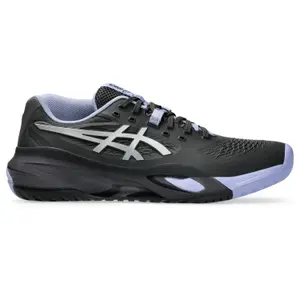

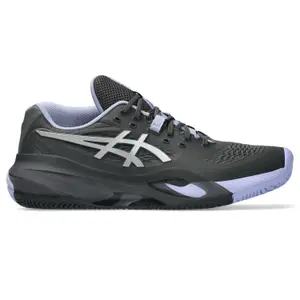


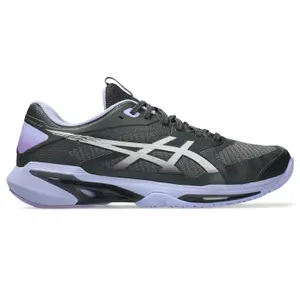


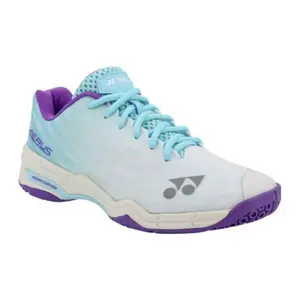

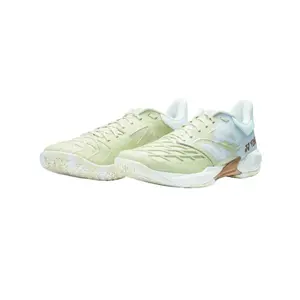
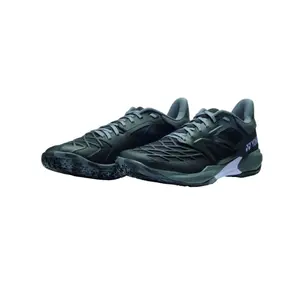
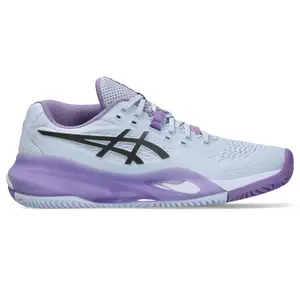

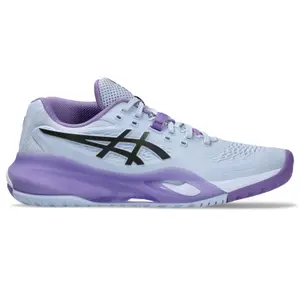
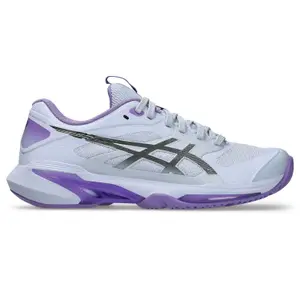
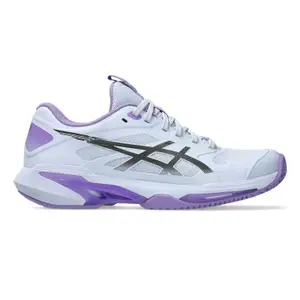


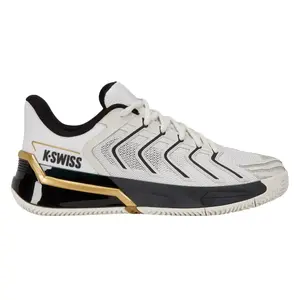


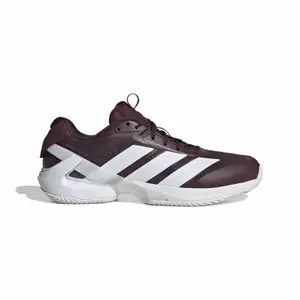


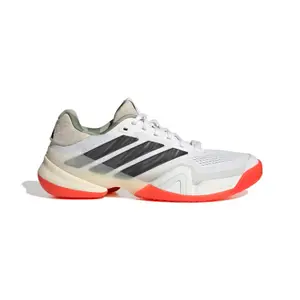
A slide on clay, a sudden stop on hard: tennis shoes take the impacts that no trainers can handle. Clay or all court soles, stable or lightweight models, for men, women, and juniors: choose based on your court and your play style.
First the surface, then the model
On clay, a closely spaced herringbone outsole grips well and sheds dirt. On hard, synthetic or carpet surfaces, an all-court outsole, which is more abrasion-resistant, works better. The surface filter on the page sorts both with a click.
Three player profiles, three types of shoes
- The baseline defender: a stable and durable shoe, like the Gel-Resolution from Asics or the Barricade from adidas.
- The quick player who comes to the net: a lightweight model, like the Solution Speed from Asics or the Jet from Babolat.
- The club player looking for a compromise: the Rush Pro from Wilson or the Gel-Challenger from Asics.
Asics, adidas, Wilson: the court brands
- Asics: Gel-Resolution, Solution Speed, Gel-Challenger.
- adidas: Barricade, Ubersonic, Defiant.
- Wilson: Rush Pro, Intrigue, Kaos.
- K-Swiss: Hypercourt, Express Light.
- Babolat and Head complete the offering.
Finding the right shoe size
Keep a thumb's width between your longest toe and the front of the shoe: your foot moves forward with each braking. Try them on with your game socks, at the end of the day, when your feet are slightly swollen.
When to replace your pair
When the tread at the forefoot is smooth, when foam appears under the outsole, or when the heel no longer holds. Worn-out soles reduce grip and expose the ankles.
Fitting a young player
The junior filter isolates the kids' models. An all-court shoe is suitable for most clubs; get their exact size, not more than half a size up.
Good deals on tennis shoes
The tennis clearance has end-of-range items, and the page tennis shipped in 24h groups models in stock.
Frequently asked questions
Clay or all-court?
Clay if you play more than once a week, all-court otherwise.
Can you play tennis in running shoes?
No: their high, soft soles are not designed for lateral support, and sprains are a risk.
How long does a pair last?
It depends on the frequency and surface; hard courts wear out much faster than clay.
Do men and women need different shoes?
Women's models are narrower at the heel. A female player with a wide foot can wear a men's or unisex model.
Is a tennis shoe suitable for padel?
An all-court shoe will do in a pinch, but a padel sole grips better on sanded grass.